
Australia needs an agile, fast moving army of mixed reserve and regular forces.
Existing army assets should be distributed around Australia with a particular view of defending high-value assets such as deep water ports.
The Army needs to be ready to fall back to guerilla warfare if faced with overwhelming force.
Less tanks
The Army’s main task is defending Australia, not fighting wars elsewhere.
Tanks are not that useful for defending an island compared to missiles and drones.
- Less main battle tanks (M1A2). At 70 tonnes these are too slow and heavy for most purposes.
- Less self-propelled howitzers (K9 Thunder). As above.
- Less assault ships (Canberra Class, Landing craft) as they are indefensible.
- Less tracked vehicles such as the AS-21 Redbacks
Agile forces with a long reach
- ‘Light’ armoured vehicles (Bushmaster, Boxers, Hawkei)
- Long range vertical lift aircraft (ideally MV-75 Cheyenne which has 3,900 km range)
- Drones and UAVs
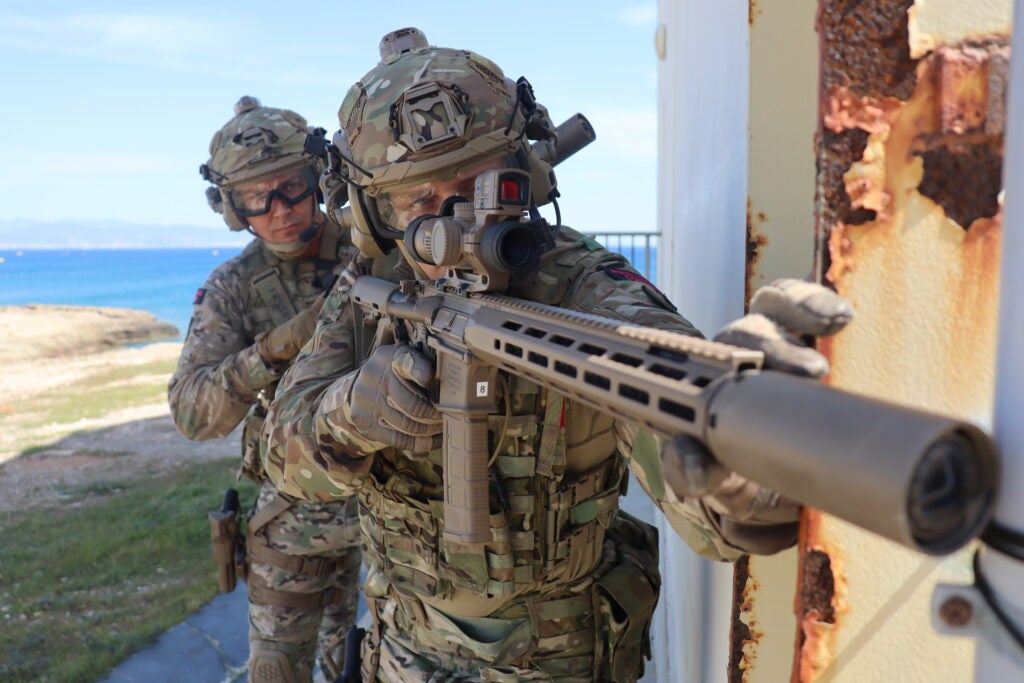
- Modern personal weapons systems and armour (reserves, regular & relevant AFP forces). A bias towards accurate longer-range defensive rifles rather than shorter range assault rifles.
- HIMARS and similar
- Anti-ship missiles would be operated by the Army.
- X-BAT or other runway-independent drones may also be operated by the Army.
Fast drones, not tanks
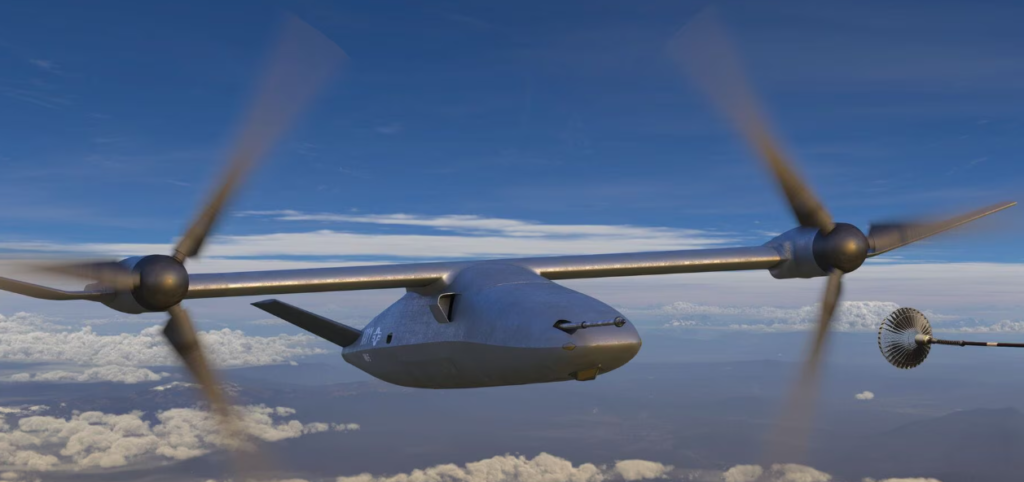
We do not see a future for many armoured vehicles, they are too slow and cannot operate off-shore.
Instead we see the Army operating drones such as the long-range V-724 to engage enemy forces before and after they land and to engage landing craft off-shore.
Ideally these would be manufactured here.
Expanded army reserve
The army reserve should be greatly expanded with more ‘casual’ reservists. Greater effort should be made to get a wide range of women and men from all sectors of Australian society.
This could be done by adding more training facilities in urban areas which would allow reservists to train after work or on their weekends on more of an ad-hoc basis.
For example:
- Gun ranges could be provided in the lower basement of CBD car parks.
- Drone training and simulated combat facilities could be created in urban industrial areas.
Reservists should train with the latest weapons (see above) including suppressors to avoid hearing damage.
Anti-terrorism

Rapid response teams should be on stand-by in all capitals to respond to incidents involving military weapons in consultation with relevant police forces.
These would be likely to be embarked in helicopters or other vertical-lift aircraft.
Snipers may well operate from these helicopters to target active shooters.
In cooperating States or Territories, Army communication officers would need to be present in police command centres to provide seamless integration.