
Surviving in a hostile world
- Nuclear-armed superpowers dominate the world
- The UN and the ‘rules based order’ are over
- We cannot assume powerful allies will defend Australia
- Australia needs a robust defence force with tactical nuclear weapons to deter aggression against our continent
- We have no capacity to interfere in wars elsewhere.
Australia’s weak position
- A hugely outnumbered and outclassed surface fleet
- Four old submarines
- A short-range air force
- Heavy dependence on the USA for protection
- No nuclear weapons
- Total dependence on imported fuel and other critical goods.
Australia’s current plan
- Australia keeps relying on the USA for protection, but the only ally the USA is fighting for is Israel
- Try to buy nuclear submarines that the USA and UK that they will not be able to provide
- Try to start a local nuclear submarine industry with no experience at vast expense
- Buy vulnerable surface warships that are easily sunk.
Australia needs another defence plan!
A new defence posture

Given that the USA and UK will not be able to sell us nuclear submarines any time soon the “Forward Defence” strategy is no longer feasible for Australia. Attacking nuclear-armed superpowers with submarines was always a bad idea anyway.
Australia should pivot to the “Echidna Strategy” as proposed by Sam Roggeveen.
Such a defence posture is all that Australia can afford and avoids direct conflict with nuclear superpowers as far as possible.
What we need
- Many small, survivable assets that we own to deter attacks on Australia.
What we don’t need
- A few large, vulnerable, expensive assets to deploy to northern hemisphere wars.
- Assets that can be easily “turned off” by foreign suppliers.
- Getting involved in distant wars on Islam and China.
What we can’t do anyway
- Defend “sea lanes” from multiple nuclear-armed superpower adversaries and their huge navies.
- Prevent nuclear-armed superpowers from pursuing wars elsewhere.
Problems with Australia’s current plan:
1) Nuclear submarines are unavailable and too expensive
The Virginia submarines are never going to be available. The “AUKUS plan” was really about having US SSN hosted in Australia in readiness for a war against China, not about supplying Australia with SSN.
The future AUKUS submarines are “unachievable” in the time-frame which is too far away – “2040’s”.
Big submarines like these are becoming increasingly detectable using quantum and other technologies.
- Top admiral warns US far behind on building submarines needed to meet Aukus target
- Virginia, we have a problem
- Musk to review US submarines as Australia warned tariffs could push up cost
- Desperately seeking submariners: Why keeping nuclear-powered boats afloat will be Australia’s biggest AUKUS challenge
- US congressional report explores option of not delivering any Aukus nuclear submarines to Australia
- Australia will soon host a US SSN force, but no SSN for us (ASPI)
- US Navy’s new nuclear battleship sink AUKUS (Aug 2026, Navy Lookout)
2) Collins class subs are too old
- The $A10+ billion plus cost of the Collins Class refurbishment is likely to exceed the cost of buying six advanced new submarines given the “unprecedented corrosion” found on these old boats.
- Even if the refurbishment is successful the end-result is still an inferior submarine with lead-acid batteries with only one day of submerged endurance. New non-nuclear submarines offer 3+ weeks of submerged endurance.
- Each Collins Class is expected to take 2 years to repair.
3) Local munition and parts manufacture
Manufacture of munitions and high-attrition parts should continue to be brought on-shore.
If this isn’t feasible then very large stockpiles of munitions and parts should be held locally.
4) Surface Warships are too vulnerable
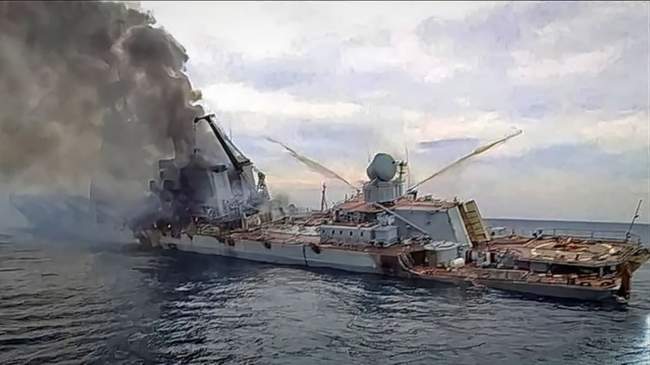
We keep buying warships but they are not survivable in modern warfare.
- The RAN’s few ships would be sunk quickly in any serious conflict. Note Russia’s heavy losses against Ukraine’s homemade weapons.
- No RAN vessels should be sent north of the equator. See our No Warships page.
- Existing surface vessels should be gradually transition to coast guard duties.
A new defence plan for Australia
Tactical nuclear anti-ship warheads
Unfortunately Australia needs to have some small nuclear anti-ship warheads to survive as an independent country in the no-rules world.
Anti-Ship Tactical Nuclear Weapons Page
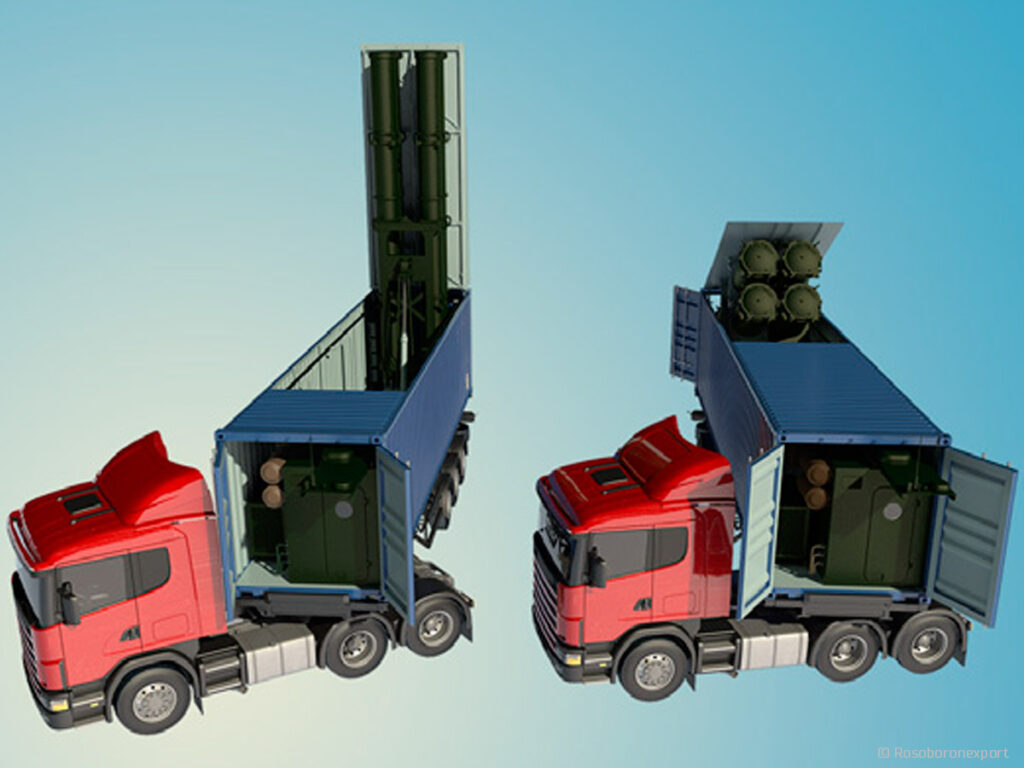
Buy hidden land-based anti-ship missiles
We can’t build or crew dozens of warships – but we can build thousands of Anti-Ship Missiles.
Missiles need to be hidden in regular-looking trucks to avoid destruction in the first few hours of a conflict.
Buy advanced non-nuclear submarines
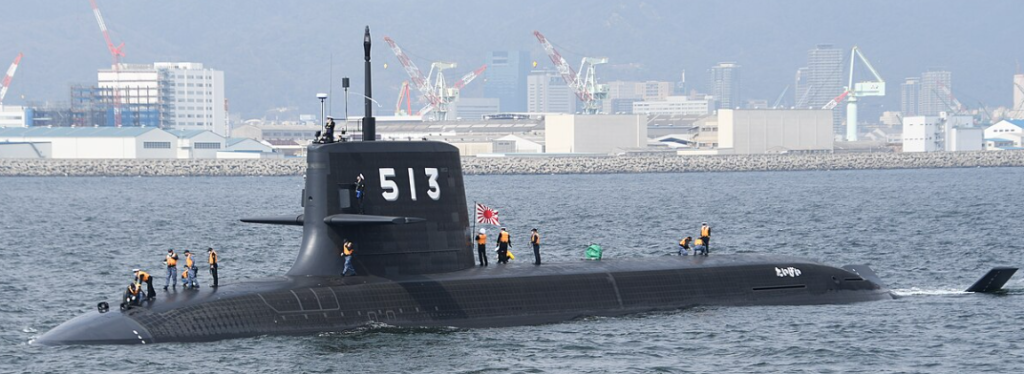
Non-nuclear submarines cost about 10% of the cost of nuclear submarines and would be more effective than SSN in the shallow waters around Australia.
The RAN would then comprise only these submarines once surface ships were phased out.
Advanced Non-Nuclear Submarine Page
A stronger air force instead of warships
Australia should consider longer-range aircraft that can provide enhanced maritime strike without reliance on vulnerable tanker aircraft. Several options are becoming available.
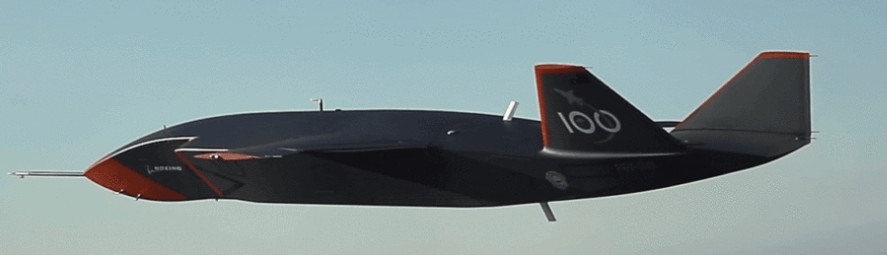
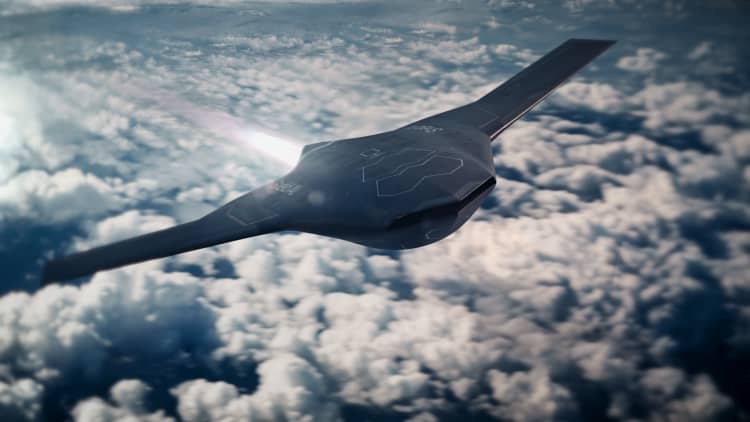
Uncrewed Combat Aircraft (UCAV’s) should also be considered. They could be used as missiles for high-value targets and some do not need an airfield at all.
An Agile Army
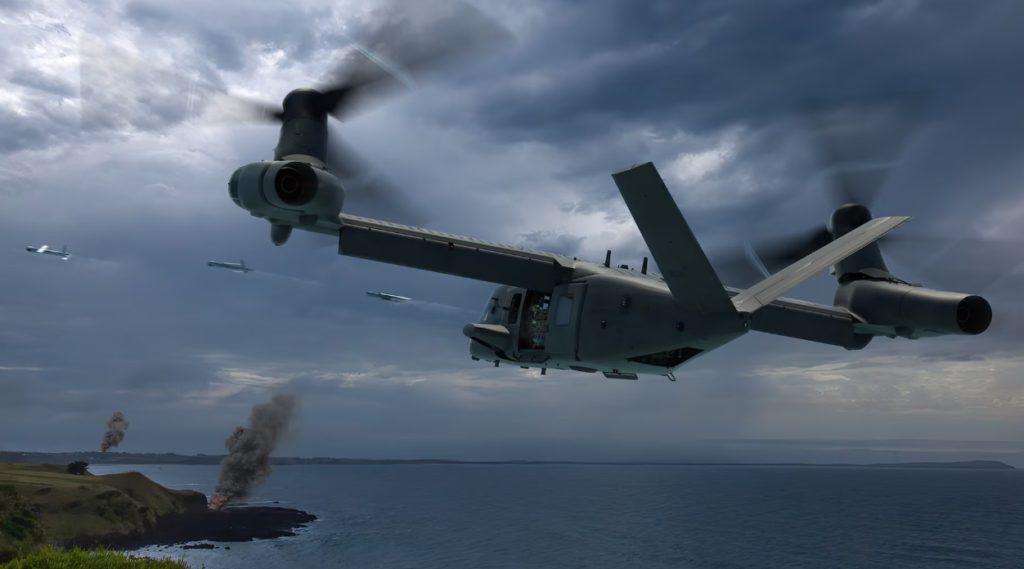
We need a highly mobile and distributed army with less emphasis on tanks and fighting land wars somewhere else.
- Anti-ship missiles would be operated by the Army.
- X-BAT or other runway-independent drones may also be operated by the Army.
Integrated sensor networks
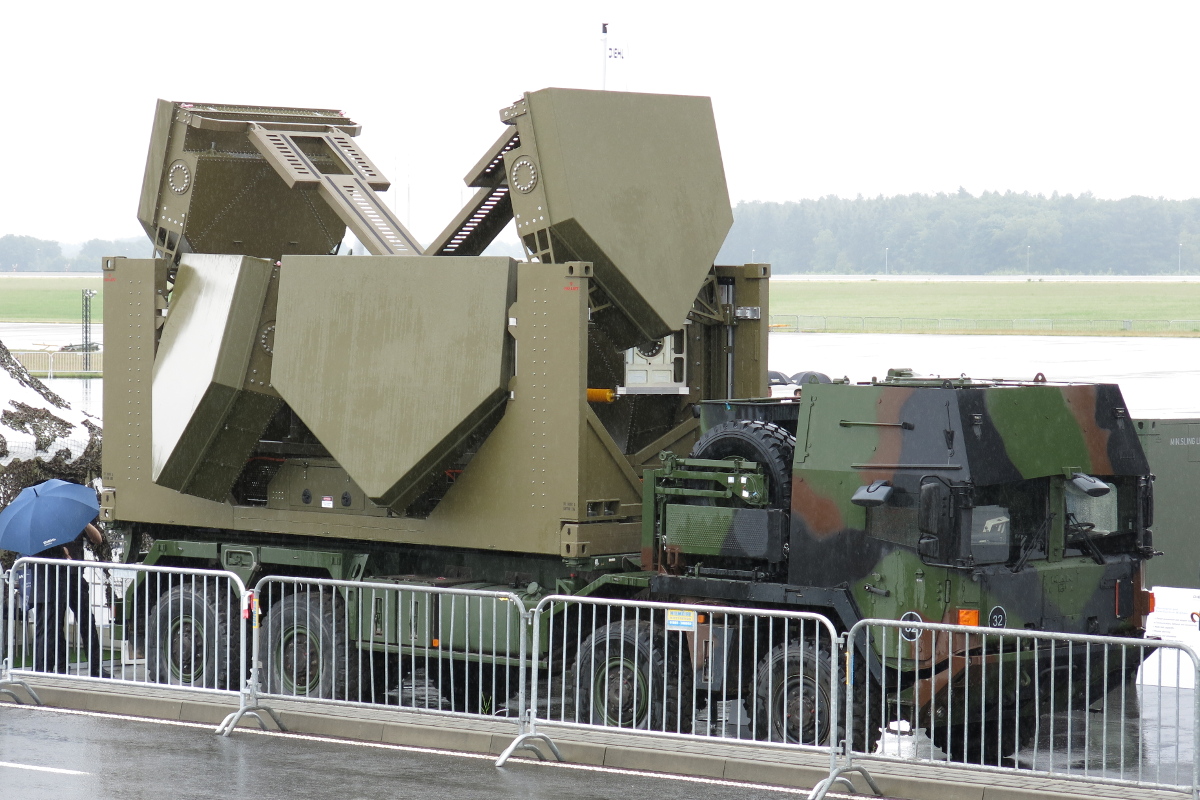
Australia needs a wide array of assets to detect hostile ships, submarines and stealth aircraft and missiles heading for our major cities and assets.
Detectors that emit radiation (such as radars) need to be highly mobile to avoid easy destruction. Crew cabins need to be armoured.
Detectors that pick up exhaust heat (infra-red), noise or can visually see aircraft could also be an option.
Note the ADF already has projects in this space and the Australian Government has a majority stake in CEA Technologies.
Jindalee Operational Radar Network (JORN)
JORN is a great asset that can see ‘stealth’ aircraft but it is fixed and is focussed on the Northern Australia. In a war we are concerned that it’s fixed nodes could be targetted and destroyed. It offers no protection to any of our major cities from ICBM’s or other missiles.
Distribute and hide
Instead of concentrating important assets at a few easily-destroyed bases the ADF should distribute and hide assets around Australia.
As far as possible defence assets should be hidden from pervasive satellite surveillance when inactive.
Many decoy assets should be deployed and constantly moved to confuse aggressor states.
Keep out of northern hemisphere wars
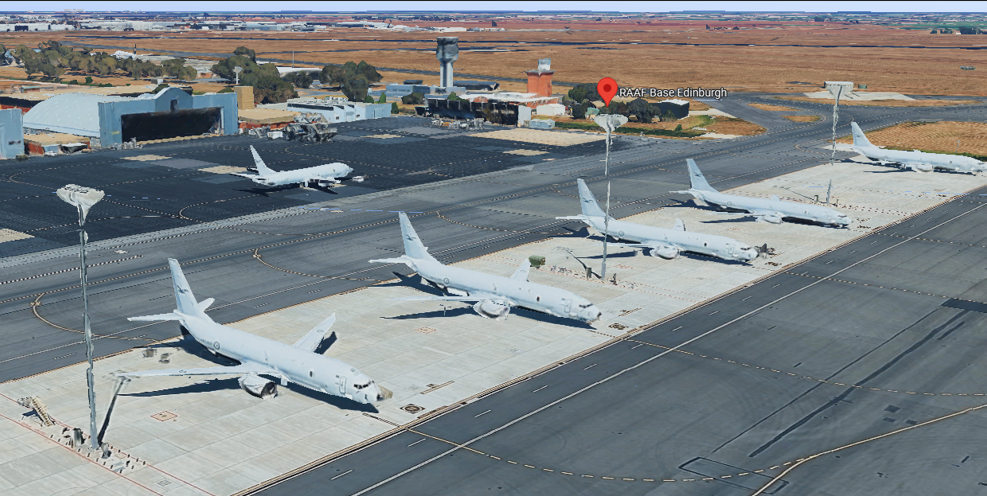
Australia cannot make a meaningful contribution to the far-away wars of nuclear-armed superpowers.
Economic resilience
See Economic Resilience Page and the Fuel Security Page.
Alternative spending
If Australia isn’t spending ~$500 billion on nuclear submarines, frigates and destroyers over the next few decades then more spending on housing, health, education and transport becomes possible.
US military bases
| Australia should not attempt to close US facilities in Australia. |
Some of the US bases are vital to their war-fighting capability so trying to close them would be extremely problematic for Australia.
We should negotiate to get the Pine Gap facility moved to a more remote area as it would attract a nuclear strike in the early stages of a superpower war.
See this Guardian Report for more details on US bases in Australia.